



The balmy August nights are here. Unfortunately, as the nights grow longer and darker, urban light pollution also increases, significantly reducing the quality of our sleep.
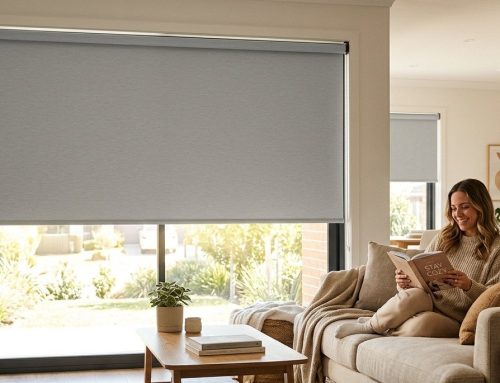
An effective solution is to fit blackout roller blinds. Their specially designed fabric and fitting system work together to keep light out of the room.
Come and choose your fabric, and read on to find out how light pollution affects sleep quality!
Darkness matters – how to create a healthy sleep environment
Light has a strong effect on sleep. During the day it stimulates body and mind, helping us stay alert, attentive and energised. At night it also keeps us alert, which can make it much harder to get healthy, restorative sleep.
Light entering the bedroom can cause frequent waking during the night.
How darkness affects sleep
Darkness is essential for good sleep. The absence of light signals to the body that it is time to rest. Light at the wrong time shifts the body’s internal clock, which regulates the sleep–wake cycle, disrupting both the quality and duration of sleep.
Melatonin, a hormone produced by the pineal gland in the brain, is also known as the sleep hormone or the hormone of darkness. Melatonin signals to the brain that it is time to rest. Your muscles relax, you feel sleepier and your body temperature falls. Melatonin levels rise naturally as dusk falls and continue rising through the night until they peak at around 3 a.m. They then begin to fall and continue falling throughout the day. Evening light suppresses the natural rise in melatonin, delaying the body’s preparation for sleep.
How artificial light disrupts sleep
The arrival of electric lighting in the 20th century fundamentally changed our relationship with light and darkness and created serious new challenges for sleep. Affordable, widely available artificial light frequently disturbs sleep, and most people are unaware of its harmful effects.
Adjust your lighting for better sleep
Controlling light in your home and bedroom helps create a healthy sleep environment. Paying attention to where light comes from and doing a little planning can help you keep unwanted light out of the bedroom and sleep soundly until morning. Curtains and roller blinds stop outside light from disturbing your sleep. Choose window coverings made from fabric that blocks light completely and fit them securely to close any gaps where light from street lamps or the morning sun could get in. Even a brief exposure to light can disturb sleep. Blackout window coverings, including blackout roller blinds, are designed to keep unwanted light out completely.
Red light
If you need a light at night to make your way safely to the toilet or the children’s room, red light is a good choice. Studies have found that red light disturbs sleep less than light of other colours.
How to make your room dark enough for sleep
Your body needs time to prepare for sleep. It helps to follow a regular bedtime routine:
- an hour before bed, reduce the amount of light to help your body prepare for sleep;
- if possible, use a dimmer switch to turn the ceiling lights down gradually;
- avoid glowing screens for an hour before bed – turn off the TV, computer or tablet and put your phone away for the night.
The light from digital devices contains a high concentration of blue light, a wavelength that research shows is particularly harmful to sleep. Wearing a sleep mask can help create darkness and protect you from intruding light. Sleeping with a mask may take a little getting used to, but it is quite an effective way to reduce the disturbing effect of light. Being aware of the effect of light makes us pay more attention to the light around us, both by day and by night. Making sure you sleep in the dark is one of the simplest and most important ways to improve the quality of your night’s rest.
Original article: http://sleep.mysplus.com/library/category2/article1.html