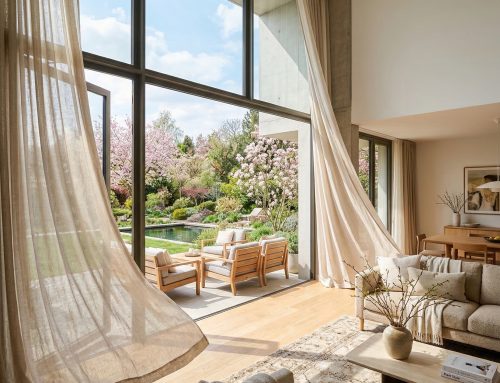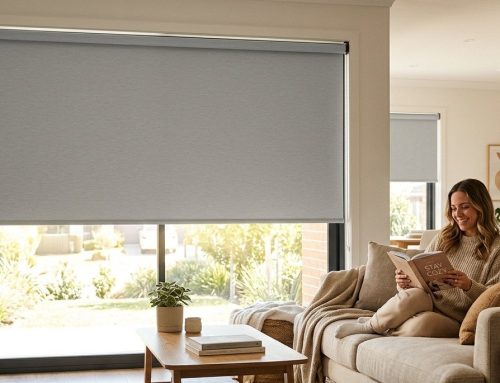




Most of the time we do not think about the colours in a room, even though our surroundings affect us every day. The colours in a room can influence both our mood and our thoughts. Reactions can vary with age, gender, ethnic background and climate, but most people have been observed to respond similarly to certain colours.
Every colour has its own psychological effect. To create a calm, balanced room, choose colours that help create that atmosphere. Once you have found shades you like, decide how many different colours to use in one room. Three or four is the recommended number. With too many colours, a room can feel busy and unsettling.
Colours can also affect how we perceive the size and shape of the room and the furniture in it.
For these reasons, it is important to choose colours thoughtfully when decorating your home and to bear in mind a few tips from specialists.
Colours can have three main types of effect: active, passive and neutral.
Light colours create an open, airy feel and make a room look bigger and brighter. Darker shades feel more restrained, elegant and warm, and make large rooms feel more intimate.
Let us take a closer look at how particular colours affect us in a room.
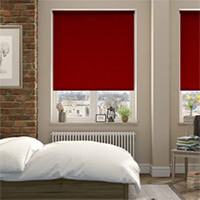 Red raises the energy level of a room. It is the most intense colour, raising adrenaline levels and having a stimulating effect. Red is a good choice if you want a room to encourage excitement, especially at night. Red in a living or dining room brings people closer together and livens up conversation. In a hallway, red makes a strong first impression.
Red is said to raise blood pressure and speed up breathing and heart rate. That is why it is considered too intense for a bedroom. But if you mostly use your bedroom after dark under artificial light, red comes across as romantic, opulent and elegant instead.
The cooler shade of bright red (crimson) can be irritating, provoking anger and hostility. So this shade of red is best avoided and should not be used as the main colour.
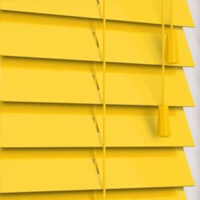 Yellow brings to mind sunshine and happiness. It is an excellent choice for energising kitchens, dining rooms and bathrooms and lifting the mood. Yellow also works well in a hallway, making the space welcoming and cheerful. Despite its cheerful character, yellow is a poor choice as the main colour.
Studies show that people lose their temper more quickly in a yellow room. Babies are also said to cry more in yellow interiors. Too much yellow can cause frustration and anger. At the same time, yellow is believed to stimulate the nerves and cleanse the body.
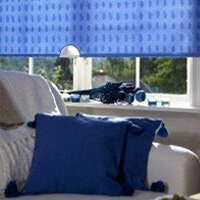 Blue lowers blood pressure, heart rate and breathing rate. That is why blue is considered a calming, relaxing and serene colour, especially suited to bedrooms and bathrooms. Pastel blue, a very beautiful shade, can look unpleasantly cold on the walls of a poorly lit room. So it is important to balance blue with furniture or window coverings in a warmer shade.
To encourage relaxation in shared spaces such as the living room or a spacious kitchen, you could use warmer, more purplish blues such as periwinkle, or brighter shades of turquoise. Dark blue can evoke sadness, so it is best to avoid it as the main colour in rooms where you spend a lot of time, such as the living room, dining room or kitchen.
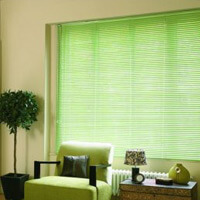 Green is considered the calmest colour. A blend of calming blue and cheerful yellow, green suits almost any room. In the kitchen green shades tend to feel cooling, while in the living room green is relaxing if the shade is warm enough, creating a sense of cosiness and togetherness.
Used as the main colour in an interior, green has a calming effect. It is thought to reduce stress and help you unwind. Green is also said to be good for fertility, which makes it a good choice for the bedroom too.
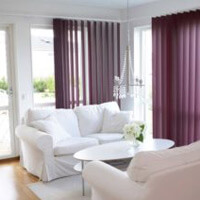 Purple in its darker shades (e.g. aubergine) looks rich and elegant. It is associated with luxury and creativity. Used as an accent colour in a few individual pieces, purple adds depth to a room.
Lighter shades such as lavender or lilac are as calming as light blue, but without the risk of the result being too cold.
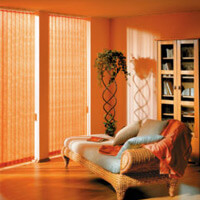 Orange is stimulating and inspires enthusiasm. It is an energetic colour that works well in a workout room, where it can help you release emotions through exercise.
Orange is definitely not right for a living room or bedroom, though. Ancient cultures believed that orange heals the lungs and raises energy levels.
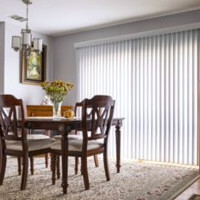 Neutral shades (black, grey, white, brown) are base colours used by every interior designer. Sometimes they are in fashion, sometimes not.
The charm of neutral shades lies in their flexibility: add colours to liven a room up, take colours away to calm it down.
In small amounts black is an excellent accent colour. Some experts think every room needs a touch of black for the colour scheme to look finished.
Original article: https://freshome.com/room-color-and-how-it-affects-your-mood/